By Patrick Larbi Awuku RD, LD | 25th September 2020
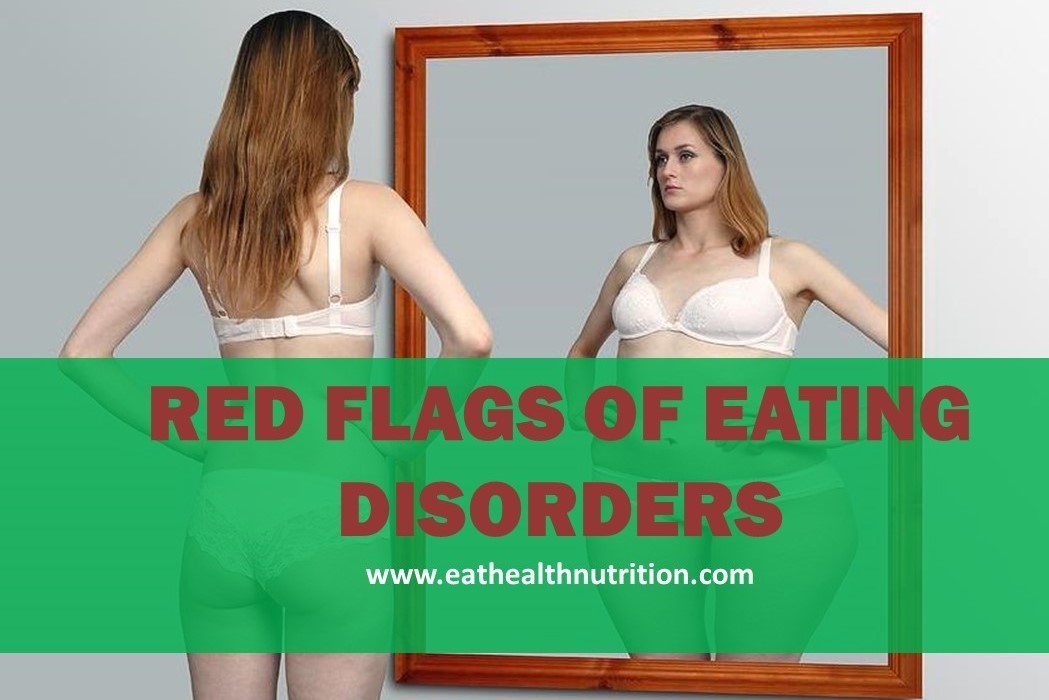
What is an eating disorder?
An eating disorder is a serious, but treatable, illness with medical and psychiatric aspects. People with an eating disorder often become obsessed with food, body image, and weight. The disorders can become very serious, chronic, and, sometimes, even life-threatening if not recognized and treated appropriately. Treatment requires a multidisciplinary approach with an experienced care team.
Who is at risk of getting an eating disorder?
In today's society, almost anyone is at risk for developing an eating disorder regardless of sex, age, socioeconomic or ethnic background. While women aged 12 to 20 are more likely to develop an eating disorder, older women and men of all ages can also develop a problem. Eating disorders affect people in every.
Types of Eating Disorders
There are three main types of eating disorders: anorexia nervosa, bulimia nervosa and binge eating disorder.

- Anorexia nervosa involves a severe restriction of calories; there may be a fear of weight gain and strict "rules" about eating. Binge eating followed by purging also may occur.
- Bulimia nervosa can involve these same fears and restrictions, but also involves a lack of control while binge eating may be followed by purging. This could involve vomiting or using laxatives or exercising excessively.
- People with binge eating disorder eat large amounts of food in a short amount of time.
- Food often is eaten without attention to hunger or fullness and is not purged afterwards.
What are the signs and symptoms of an eating disorder?
Here are a few red flags to look for:
- Avoiding certain food groups because they are "fattening"? If the person suddenly proclaims he or she is no longer eating a certain food, this could be a red flag for the makings of an eating disorder.
- Act differently in social situations and around food? Either by shrinking away and refusing to eat anything or by losing a sense of control and overeating?
- Do you hear the person continually talking about weight loss, body size, and food?
- Always seeking reassurance from others about looks, and referring to self as fat, gross, or ugly? Overestimating body size? Striving to create a "perfect" image? These are not healthy behaviors for anyone.
- Have you seen a sudden change in weight? Has there been a dramatic weight loss or significant fluctuations in weight over a short period?
- If you notice some of these signs and symptoms with a loved one, seek out support now.
Getting the right help and support can prevent serious issues from developing later on.
Health Effects
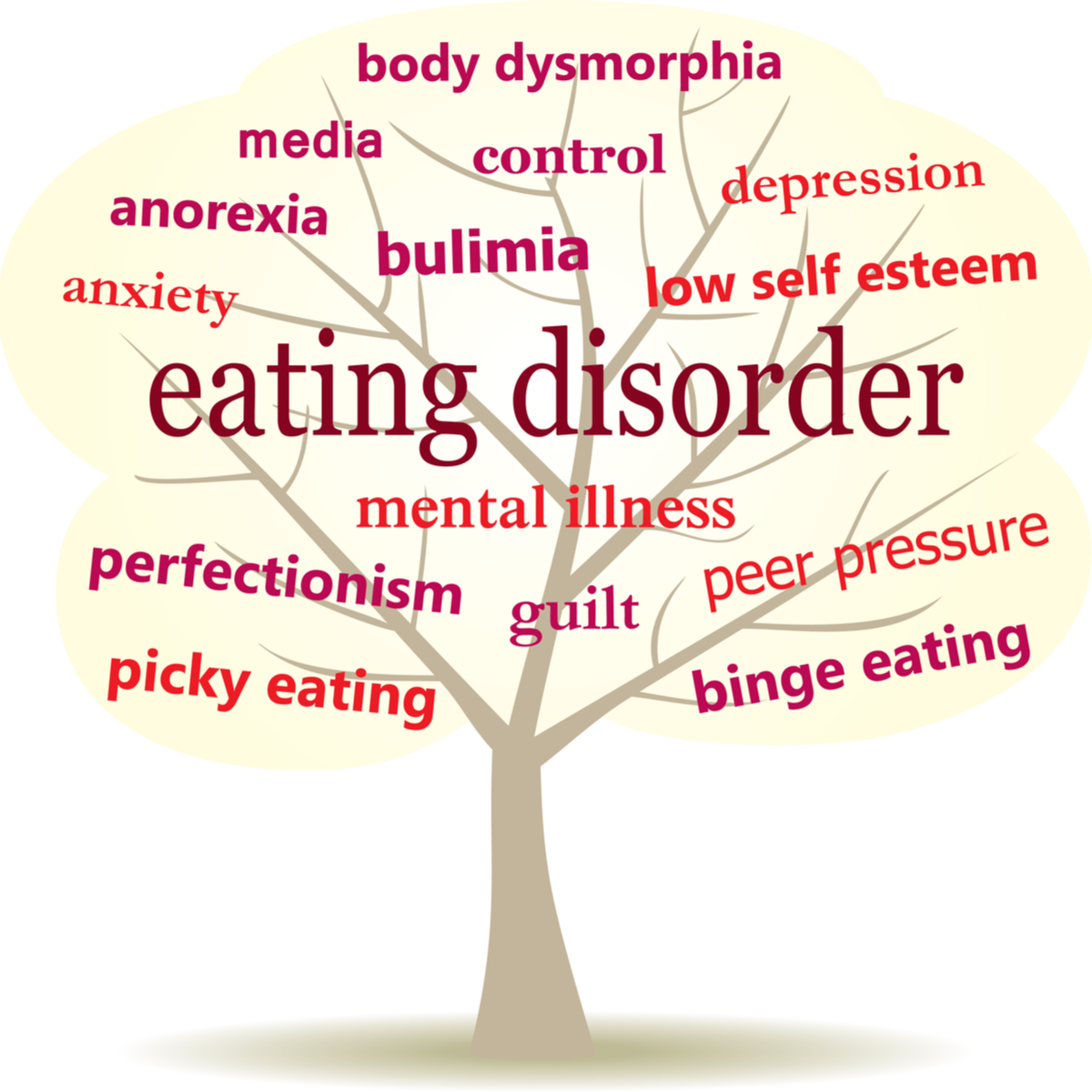
Eating disorders affect health in many ways and put nonstop strain on your body and brain. The lack of nutrition can lead to vitamin and mineral deficiencies, hormone loss and electrolyte imbalances.
- Anorexia Nervosa:The process of starvation can affect most organ systems. Physical dangers include constipation, low heart rate and blood pressure, abdominal pain, dry skin, fine body hair and lack of menstrual periods. Anorexia also causes anemia, bone loss, kidney problems and changes in brain function.
- Bulimia Nervosa: Vomiting and laxative abuse can lead to swollen glands, vitamin and mineral imbalance and wearing down of tooth enamel. There also can be long-lasting problems with digestion and the heart.
- Binge Eating Disorder: This disorder brings an increased risk for a heart attack, high blood pressure, high cholesterol, kidney disease, arthritis, bone loss and stroke.
If you find yourself or a loved one exhibiting signs of disordered eating, consult a registered dietitian or seek medical advice.


